

Intro
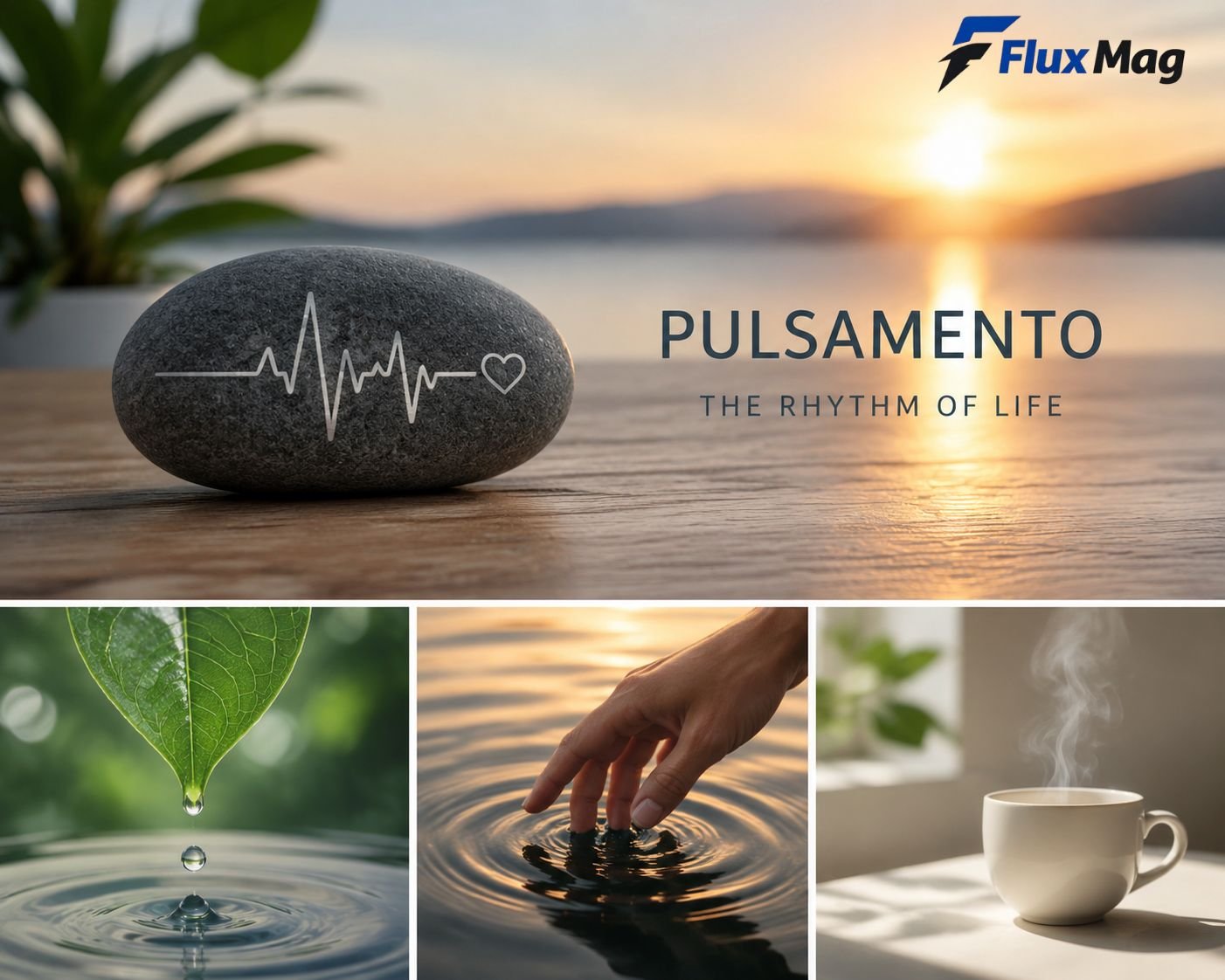
Understanding pulsamento invites us to slow down, notice the rhythms all around us, and appreciate the subtle patterns that give life its structure. This article explores in depth what pulsamento means, how it shows up in everything from our heartbeat to the music we love, and why becoming aware of it can enrich the way we experience the world.
Bio
| Label | Information |
|---|---|
| Topic Name | Pulsamento |
| Type | Rhythmic Pulse |
| Origin | Italian Language |
| Meaning | Steady beat or recurring rhythm |
| Found In | Music, Nature, Daily Life |
| Purpose | Organize flow and structure |
| Key Feature | Continuous, repeating pattern |
| Biological Example | Heartbeat, Breathing |
| Artistic Example | Music, Visual Patterns |
| Emotional Impact | Calms, Energizes, Inspires |
| Everyday Example | Walking, Typing, Conversations |
| Benefit | Mindfulness and presence |
| Connection | Links humans, nature, and creativity |
What Pulsamento Really Means
At its core, pulsamento refers to rhythmic pulsation, steady repetition, or a recurring beat that forms the foundation of rhythm itself. The word comes from the Italian pulsare, meaning “to beat, pulse, or throb,” and it represents more than an isolated beat it’s the ongoing rhythmic flow that gives life and movement to a system.
In linguistic terms, pulsamento is closely related to the English word “pulsation,” which dictionaries define as a rhythmical throbbing or vibrating action, like the pulse of your heartbeat or the rhythm of music.
When we talk about pulsamento, we’re not just talking about rhythm in music. We’re talking about the hidden pulse that underlies many aspects of living and nonliving systems from our body’s heartbeat to the flow of a conversation, and even the steady hum of natural rhythms in the world around us.
The Body’s Natural Pulse
One of the most powerful examples of pulsamento is the heartbeat. With every beat, blood circulates through the body, carrying oxygen and nutrients that sustain life. This rhythmic pulsation is a living expression of pulsamento: a continuous and essential cycle that happens without conscious effort.
But the concept goes beyond the heart. Consider your breathing pattern, the way your lungs expand and contract in continuous cycles. Or how your nervous system communicates through rhythmic waves of electrical impulses. These patterns are not random they are steady, repeating, and structured the essence of pulsamento.
When the body’s rhythm flows smoothly a calm heartbeat, steady breathing we often feel centered and at ease. When rhythms become erratic or disrupted, it can be a sign of stress, fatigue, or imbalance. Even modern health technology measures these rhythms precisely whether for fitness tracking or medical diagnosis because our body’s pulsative patterns reveal a lot about our wellbeing.
Pulsamento in Music: The Beat Beneath the Sound
Music offers one of the clearest ways to understand pulsamento. In musical terms, pulsamento describes the underlying pulse or beat that musicians use to structure rhythm and stay in sync. It’s not just the tempo or individual beats marked on a score it’s the internal sense of timing and flow that performers and listeners feel instinctively.
When a drummer keeps time, or when people tap their foot to a song, they are responding to the pulsamento the steady pattern that makes music feel alive and coherent. Without this underlying pulse, music would feel directionless, chaotic, and disconnected.
What makes pulsamento in music especially fascinating is how it bridges the technical and the emotional. A simple beat can make you feel energized, calm, nostalgic, or introspective without any conscious analysis because it connects directly with how our bodies and brains interpret rhythm.
Everyday Rhythms: Life Unnoticed
Beyond our heartbeat and music, pulsamento exists in small rhythms of daily life that often go unnoticed. Think about:
- Walking each step creates a steady rhythm.
- Typing or writing the cadence of thoughts made physical.
- Cooking the repeated motions of stirring or chopping.
- City life cars passing, street lights changing, people moving in patterns.
These everyday moments reveal pulsamento as a pattern of repetition and flow that helps organize experience and give it meaning.
Even the rhythm of conversation carries a pulsative quality. When two people speak, there’s a subtle exchange of cadence, pauses, and emphasis. This flow keeps dialogue connected, much like a musical improvisation. Once you start paying attention, you’ll notice these rhythms everywhere.
How Pulsamento Shapes Emotion and Connection
There’s a reason a soothing melody can calm your nerves, or why rhythmic clapping or chanting can bring a group into harmony. Pulsamento connects rhythm with emotion. Our brains are naturally attuned to patterns, and the presence of a steady pulse often evokes strong emotional responses.
For example, slow and steady rhythms can make us feel relaxed and introspective. Faster, dynamic pulses can energize and invigorate. This emotional connection to rhythm extends beyond music into our daily psychological experience the tempo of our day, the flow of conversation, and even the rhythm of seasons all influence how we feel.
Recognizing these patterns can help us become more mindful. Instead of rushing from one activity to the next, noticing the flow of our day allows us to appreciate the hidden rhythms that give it structure and texture.
Seeing Pulsamento in Nature and the World Around Us
Nature itself is rich with rhythmic patterns:
- The cycle of day and night.
- Tides rising and falling.
- Seasons shifting through the year.
These are larger-scale expressions of pulsamento not just individual beats, but the recurring cycles that shape entire ecosystems and life cycles.
Even in technological systems, pulsative patterns show up. Electronic signals, waves, and machine cycles all operate through controlled, repetitive sequences that make function and communication possible. This demonstrates how pulsamento is a universal principle one that stretches from the biological to the digital, uniting systems through repeating patterns.
Why Noticing Pulsamento Matters
Learning to notice pulsamento changes how we experience life. When we become aware of the rhythms around us:
- We feel more grounded.
- We connect more deeply with other people and our environment.
- We become more mindful of how experiences unfold.
- We learn to appreciate the beauty hidden in ordinary moments.
Rather than seeing life as a series of random events, recognizing pulsamento helps us see patterns, timing, and flow the hidden structure that brings coherence to daily living.
Bringing Pulsamento Into Daily Awareness
Here are simple ways to become more attuned to pulsamento in your life:
- Listen to your body: Notice your heartbeat and breathing, especially during calm moments.
- Engage with music: Pay attention to the underlying pulse of songs and how they make you feel.
- Observe movement: Watch repeating patterns in nature and in daily activities.
- Be present in conversation: Notice the flow of dialogue and the pauses between ideas.
These small acts of attention help us perceive rhythm not as something abstract, but as a living, breathing part of our experience.
FAQs
1. What does pulsamento mean?
Pulsamento refers to the subtle rhythmic pulse or beat that underlies music, movement, and even daily life. It’s the flow that gives structure to our experiences.
2. How can I notice pulsamento in daily life?
Pay attention to everyday rhythms like your heartbeat, footsteps, conversations, or natural cycles. Even small repeated patterns reveal hidden pulsamento.
3. Why is pulsamento important?
Recognizing pulsamento helps us feel more grounded, mindful, and connected to the world. It enhances emotional awareness and appreciation of life’s subtle rhythms.
4. Can pulsamento affect my mood?
Yes. Rhythms, whether in music or daily activities, influence our emotions. Slow pulsamento can calm, while faster pulses can energize and inspire.
5. How is pulsamento used in music and art?
In music, it creates the underlying beat that drives rhythm. In art, visual patterns and flow carry a sense of pulsamento, giving structure and harmony to creative works.
Conclusion: The Quiet Rhythm of Life
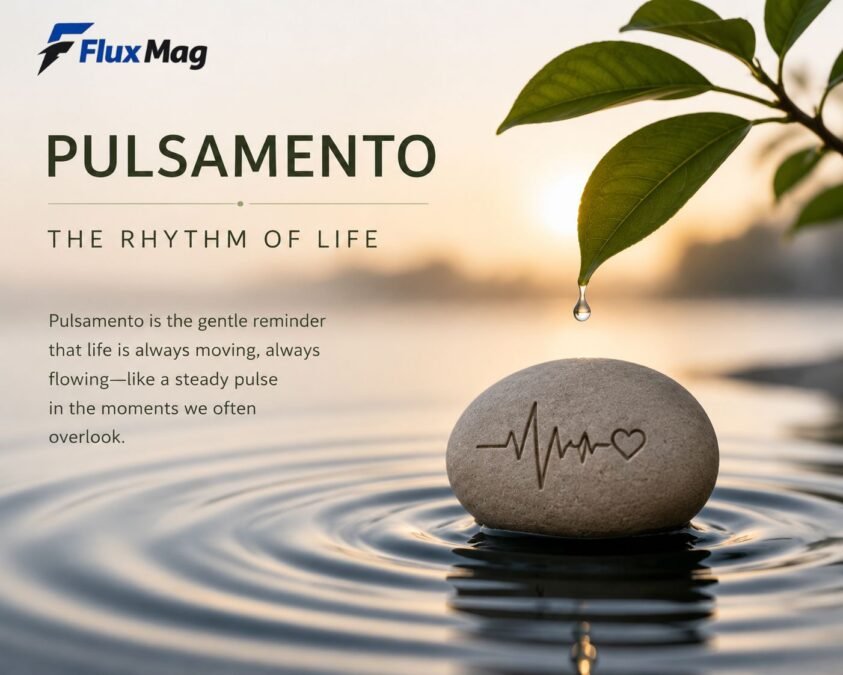
Pulsamento is more than a word. It’s a way of seeing the world that invites us to notice the rhythmic patterns that shape our experiences. From the beat of our heart to the flow of music, pulsamento shows up everywhere even in simple moments we often overlook.
When we tune into these rhythms, we not only understand the structure behind music and movement, but also find a deeper connection with the world around us. In doing so, we discover that life’s beauty often lies not in the grand or dramatic moments, but in the quiet, rhythmic pulses that weave everyday life together.
